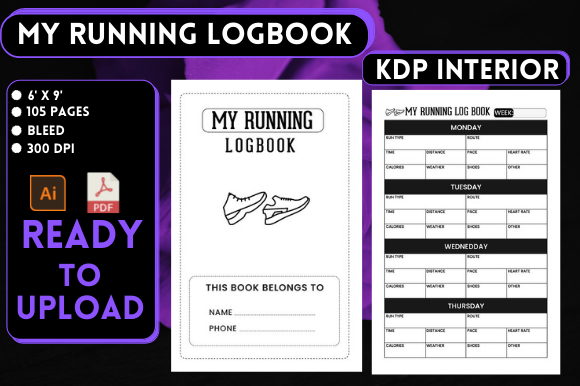
Running Log Book: A Comprehensive Guide for Fitness Enthusiasts
Introduction
Welcome to the world of running, where every step counts and every mile brings you closer to your fitness goals. Whether you're a seasoned runner or just starting out, a running log book is an indispensable tool that can help you track your progress, set new goals, and stay motivated. In this article, we'll explore the purpose, significance, and practical relevance of a running log book, and how it fits into modern life and fitness routines.
What is a Running Log Book?
A running log book is a structured journal designed to help runners record and analyze their training sessions. It typically includes sections for logging details such as date, distance, time, pace, and any notes about the run. This information can be incredibly valuable for both beginners and experienced runners, providing insights into performance, helping to identify patterns, and aiding in setting and achieving fitness goals.
Purpose and Significance
The primary purpose of a running log book is to provide a comprehensive record of your running activities. By consistently logging your runs, you can:
- Track your progress over time
- Identify areas for improvement
- Set and achieve specific running goals
- Stay motivated by seeing your achievements
- Prevent overtraining and reduce the risk of injury
For many runners, a log book serves as a personal coach, offering a detailed view of their training and helping them make informed decisions about their fitness journey.
Features of a High-Quality Running Log Book
When choosing a running log book, it's important to select one that meets your specific needs and preferences. Here are some key features to look for:
- Dimensions and Pages: A standard size like 6" x 9" inches with 105 pages is ideal for portability and sufficient space for logging.
- PDF Print-Ready File: Ensure the log book comes in a high-resolution (300dpi) PDF format, ready for printing. This ensures clear and professional-looking pages.
- Bleed and Resolution: Look for a log book with proper bleed settings and a resolution of 300dpi, which is essential for high-quality printing.
- Included Files: A good log book should come with both a PDF file and an AI (Adobe Illustrator) file. This allows for easy customization and printing.
- KDP Compatibility: If you plan to publish your log book on Amazon Kindle Direct Publishing (KDP), ensure the files are fully tested and compatible with KDP standards.
Practical Relevance in Modern Life
In today's fast-paced world, maintaining a healthy lifestyle can be challenging. A running log book helps integrate regular exercise into your daily routine by providing a structured way to plan, track, and reflect on your running activities. Here’s how it fits into modern life:
- Goal Setting and Achievement: Set and track your fitness goals, whether it's running a certain distance, improving your pace, or preparing for a race.
- Time Management: Plan your runs around your busy schedule, ensuring you stay consistent and make the most of your available time.
- Motivation and Accountability: Seeing your progress and achievements in a log book can be a powerful motivator, keeping you committed to your fitness goals.
- Health and Wellness: Regular physical activity, tracked and analyzed through a log book, contributes to overall health, reducing the risk of chronic diseases and enhancing mental well-being.
Examples and Use Cases
Let's look at some examples of how different types of runners can benefit from a running log book:
- Beginner Runners: For those just starting out, a log book can help establish a routine, track initial progress, and set achievable goals. It provides a sense of accomplishment and helps build confidence.
- Experienced Runners: Seasoned runners can use a log book to fine-tune their training, monitor their performance, and adjust their strategies based on data. It helps in identifying peak performance periods and areas needing improvement.
- Race Participants: For runners preparing for a race, a log book is essential for creating a structured training plan, tracking progress, and making necessary adjustments to optimize performance on race day.
Common Misunderstandings and Clarifications
While a running log book is a valuable tool, there are some common misunderstandings about its use. Here are a few clarifications:
- It's Not Just for Elite Runners: A log book is beneficial for runners of all levels, from beginners to advanced. It's a tool for anyone looking to improve their running and overall fitness.
- Consistency is Key: The effectiveness of a log book depends on consistent use. Regularly logging your runs and reviewing the data will yield the best results.
- Not Just for Tracking Miles: While distance is an important metric, a log book can also track other aspects like pace, heart rate, and even how you felt during the run. This holistic approach provides a more comprehensive view of your training.
Conclusion
A running log book is a versatile and essential tool for anyone serious about their running and fitness. By providing a structured way to track and analyze your training, it helps you set and achieve goals, stay motivated, and maintain a healthy lifestyle. Whether you're a beginner or an experienced runner, incorporating a running log book into your routine can make a significant difference in your fitness journey.
Invest in a high-quality running log book, and take the first step towards a more organized, effective, and enjoyable running experience. Happy running!